Top Woolwich Common wedding flowers suppliers for local couples
Posted on 03/10/2026
Planning wedding flowers can feel deceptively simple at first. Then the quotes start coming in, the colour palettes multiply, and suddenly you are trying to decide whether the bouquet should be soft and romantic or bold enough to hold its own in a late-afternoon church or registry setting. If you are searching for Top Woolwich Common wedding flowers suppliers for local couples, this guide will help you make sense of the options, understand what to ask, and choose flowers that suit both your day and your budget.
Woolwich Common has its own local rhythm. Couples here often want florals that feel elegant, practical, and easy to coordinate across the day, from the ceremony to the table settings and those last-minute buttonholes that always seem to arrive five minutes before people need them. Let's face it, wedding flowers are not just decoration. They set the tone. They appear in nearly every photo. And when they are right, the whole day feels more put together without trying too hard.
This article breaks down how local couples can choose a florist, what to compare, where flower styles fit best, and how to avoid the common mistakes that cost time or money. You will also find a checklist, a real-world planning example, and a comparison table to help you narrow things down sensibly.
For couples exploring floral options in the area, it can also help to look at the wider service range offered by a local florist in Woolwich SE18, especially if you want a supplier who can handle wedding flowers and everyday arrangements with the same level of care.
Table of Contents
- Why choosing the right wedding flowers supplier matters
- How wedding flower supply and planning works
- Key benefits and practical advantages
- Who this is for and when it makes sense
- Step-by-step guidance
- Expert tips for better results
- Common mistakes to avoid
- Tools, resources and recommendations
- Law, compliance, standards, or best practice
- Options, methods, or comparison table
- Case study or real-world example
- Practical checklist
- Conclusion
- Frequently asked questions
Why Top Woolwich Common wedding flowers suppliers for local couples Matters
Wedding flowers do more than look pretty in a bundle. They shape the mood of the day, support your colour palette, and help your venue photographs look polished rather than pieced together. For local couples, choosing the right supplier matters even more because timing, delivery, access, and communication all become part of the experience. A supplier who understands the area can be a real relief, especially when you are juggling venue timings, family arrivals, and the usual wedding-day nerves.
In Woolwich Common, local couples often want three things from a wedding florist: reliability, flexibility, and an eye for detail. Reliability matters because flowers are time-sensitive. Flexibility matters because wedding plans do change, sometimes at the last minute, and honestly that is just part of the fun. Detail matters because a bridal bouquet that looks beautiful on a table can still feel completely wrong against the dress, the lighting, or the tone of the ceremony.
The best suppliers will guide you through choices rather than overwhelm you. They should help you match flowers to your season, your venue, and your budget, rather than trying to push a one-style-fits-all package. That local, grounded approach is especially useful for smaller weddings, intimate receptions, and couples who want a florist that feels practical rather than theatrical.
Expert takeaway: the best wedding florist is not always the one with the most dramatic designs. It is the one who can deliver the right flowers, in the right condition, at the right time, with enough flexibility to handle real wedding-day life.
How Top Woolwich Common wedding flowers suppliers for local couples Works
Most wedding flower suppliers work through a planning and fulfilment process that starts with your ideas and ends with delivery, setup, or collection. If you are choosing from top Woolwich Common wedding flowers suppliers for local couples, the process usually looks something like this.
- Initial enquiry: You share your date, venue, style, approximate guest count, and the types of flowers you want.
- Style discussion: The florist helps you narrow down colour palettes, bouquet shapes, and which floral pieces matter most.
- Quote or package: You receive pricing for bridal bouquets, bridesmaid bouquets, buttonholes, table flowers, and any extras.
- Planning adjustments: The florist may suggest seasonal alternatives or more cost-effective flower varieties.
- Order confirmation: Once the design is agreed, the flowers are booked for your date. This step matters more than people think. Flowers are not an afterthought; they are a live order with timing attached.
- Preparation and delivery: The florist prepares the arrangements shortly before the wedding, then delivers or arranges collection depending on the setup.
A strong supplier will explain what is included and what is not. For example, a bridal bouquet may include ribbon finishing and standard conditioning, but not venue installation or extra vases unless specified. That sounds obvious, but this is one of the places couples get caught out. A conversation that takes ten minutes now can save quite a bit of stress later.
If you are looking at actual product ranges, it can help to browse a dedicated wedding flowers Woolwich SE18 page to understand the styles and structures commonly offered locally. You will usually notice that wedding collections are organised differently from everyday bouquets because consistency and scale matter more.
Key Benefits and Practical Advantages
There are real advantages to choosing a local supplier for wedding flowers, and they go beyond convenience. Here are the main ones local couples usually appreciate most.
- Better communication: local florists are easier to contact, and discussions tend to be more straightforward.
- Shorter delivery routes: less travel can mean fresher flowers and fewer moving parts on the day.
- More realistic planning: a supplier who knows the area is often better at judging traffic, access, and timing around venues.
- Seasonal guidance: local florists can suggest flowers that are more likely to be available and hold up well in the weather.
- Clearer budget choices: you can prioritise the key pieces and cut back on the items that matter less to you.
- Better day-of support: if there is a last-minute change, a nearby florist may be easier to work with than a distant one.
There is also a quieter benefit that does not get mentioned enough: peace of mind. Wedding planning often has too many "just check one more thing" moments. Flowers should not be one of them. When a florist explains the plan clearly, you feel it immediately. Your shoulders drop a bit. You can move on to the next thing.
For couples who want a simple starting point, everyday flower ranges can help you judge style and freshness before committing. The flower shops in Woolwich SE18 page is useful if you want a broader sense of what a local florist can do beyond the wedding collection.
Who This Is For and When It Makes Sense
This kind of local supplier is a strong fit for a wide range of couples, but especially for those who want a wedding that feels carefully planned without becoming overcomplicated. If that sounds like you, you are in the right place.
This is especially useful for:
- couples planning a local ceremony and reception in or near Woolwich Common
- pairs who want delivery, setup, or collection handled smoothly
- brides and grooms who need tailored bouquets rather than a generic package
- budget-conscious couples who want to prioritise the most visible floral pieces
- people who need matching flowers for bridal parties, buttonholes, and table styling
- couples working with a small or medium wedding guest list and want the flowers to feel cohesive
It also makes sense if you are short on time. Not every couple has the luxury of a six-month floral planning window. Some are simply trying to make good decisions quickly, with decent information and no nonsense. A good local florist can help there. They should not make you feel silly for asking basic questions either. That matters.
One thing to remember: if your wedding is very high-decor, very venue-led, or highly customised, you may need more back-and-forth planning. That is normal. The more moving parts, the more important the supplier fit becomes.
Step-by-Step Guidance
If you want to choose wisely, follow a simple process rather than jumping straight to the prettiest bouquet picture. Pretty helps. Structure helps more.
- Set your floral priorities. Decide what matters most: bouquet, ceremony flowers, table centres, buttonholes, or bridesmaid flowers. If you try to do everything, costs can drift quickly.
- Choose your visual direction. Think in moods rather than flower names at first. Romantic, modern, classic, garden-style, soft pastel, bold and colourful. The florist can refine it from there.
- Check seasonal suitability. Ask what flowers are likely to be available around your wedding date. This often shapes the final design more than people expect.
- Request a clear quote. Make sure the estimate shows what is included: number of stems, delivery, setup, ribbon, vases, and any extras.
- Ask about substitutions. Flowers are living products, so if a certain bloom is unavailable, what happens next? A sensible florist will have a clear substitution policy.
- Confirm timing. Weddings run on timing. Delivery windows, venue access, and who receives the flowers all need to be clear.
- Review the final plan. Before payment or final confirmation, check the names, quantities, colours, and delivery details one more time. Just once more. It saves headaches.
If you want bouquet and buttonhole ideas in a wedding-specific style, the product range at wedding flowers and accessories can help you visualise how the different pieces work together in one coordinated order.
Quick practical note: many couples make the mistake of choosing individual items separately instead of planning the whole floral story. That can work, but a cohesive set usually looks better in photos and is easier to manage.
Expert Tips for Better Results
Here is where the small details really pay off. You do not need to become a florist. You just need to ask the right questions and make a few smart choices.
- Lead with the venue, not the vase. A high-ceiling room, a small registry office, and an outdoor space need different floral logic.
- Use one strong focal flower family. Roses, lilies, orchids, or mixed seasonal blooms can anchor the look and stop everything from feeling busy.
- Keep bridal flowers distinct. Your bridal bouquet should usually have a little more detail or texture than the bridesmaids' bouquets.
- Match flower size to scale. Big blooms can overwhelm smaller frames or intimate venues. Smaller, tighter designs often photograph better in close spaces.
- Choose buttonholes with restraint. They should complement, not compete. A tiny detail can still make a polished impact.
- Think about how flowers will age during the day. Some blooms open beautifully, while others can look tired if they are exposed to heat too early.
- Ask for honest advice about budget. Good florists know where to save and where not to save. That is worth a lot, truth be told.
One useful trick is to build your wedding flowers around a core colour and one accent, rather than trying to include every colour you love. It keeps things elegant. It also makes last-minute substitutions far easier. Nobody wants a bouquet that looks like a paint sample wall after a disagreement in the planning stage.
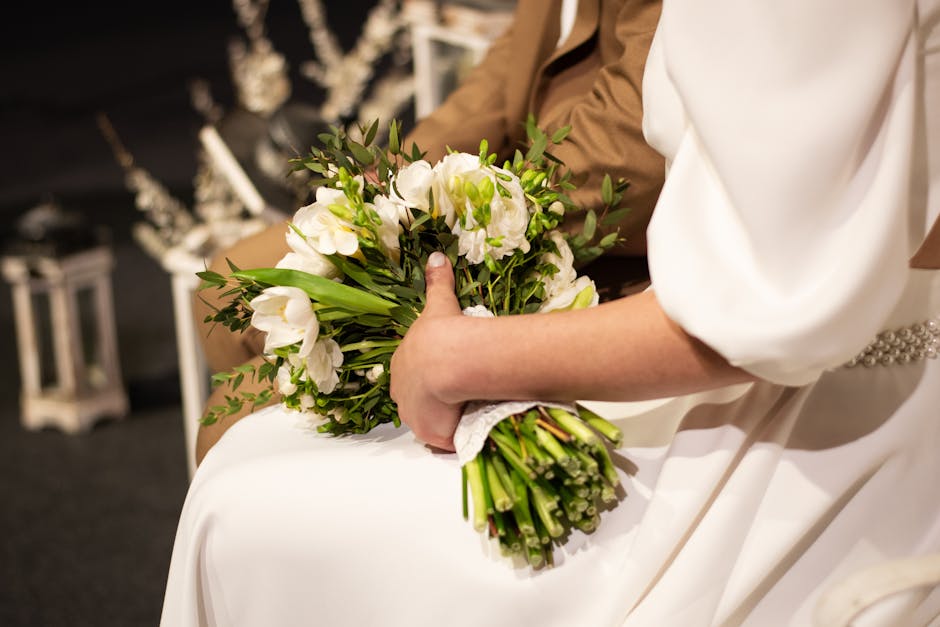
For couples who like classic wedding whites or romantic tones, browsing targeted categories can make decisions much simpler. You may find the range at white flowers useful if your style is light, timeless, and understated.
Common Mistakes to Avoid
There are a few wedding-flower mistakes that show up again and again. Most are easy to avoid once you know what to look for.
- Booking too late: popular wedding dates fill up early, and some flowers need to be sourced with enough notice.
- Not naming a point person: someone needs to be responsible for accepting the delivery and checking the order on the day.
- Ignoring venue access: if there are stairs, loading restrictions, or limited parking, your florist needs to know.
- Over-ordering decorative extras: add-ons are lovely, but they can quietly stretch the budget.
- Forgetting the photo timeline: bouquets and buttonholes need to be ready when photography starts, not half an hour later.
- Choosing flowers that clash with the dress or suit fabric: this one is surprisingly common. A bouquet can look lovely on its own and still feel wrong in the actual setting.
- Assuming all flowers will be in season: seasonal availability matters, especially if you want a specific bloom colour or shape.
A lot of these problems come from rushing. Not always. Sometimes it is just wedding brain. That fuzzy stage where every task feels urgent and the details blur. Fair enough. But slowing down for thirty minutes to review your flowers properly is rarely wasted time.
Tools, Resources and Recommendations
You do not need a complicated toolkit to plan wedding flowers well, but a few practical resources make everything easier.
- Inspiration folder: save images of bouquets, table arrangements, and buttonholes that match your style.
- Guest and table plan: helpful for estimating how many floral centrepieces you may need.
- Venue notes: bring floor plans, ceremony timings, and any restrictions to your floral discussion.
- Colour references: fabric swatches, dress photos, or suit details help the florist match tones accurately.
- Budget outline: decide in advance what your upper limit is so the conversation stays practical.
When comparing supplier styles, it is also useful to look at flower types and arrangement categories one by one. For example, if you like softer forms, compare bridal bouquets with matching bridesmaid bouquets, then look at buttonholes and table arrangements to see whether the supplier keeps a consistent design language. A florist with a strong range will often offer coordinated product collections rather than isolated items, which makes planning much calmer.
For broader flower browsing, some couples use the main seasonal collection to judge style before choosing wedding pieces. The all flowers collection can be a handy reference if you want to see the florist's general aesthetic before narrowing down your wedding choices.
Law, Compliance, Standards, or Best Practice
Wedding flower planning is not usually a heavily regulated process, but there are still best practices worth taking seriously. These protect both you and the supplier, and they keep the day running smoothly.
First, confirm the commercial basics. A reputable florist should be clear about pricing, payment terms, delivery arrangements, cancellation terms, and any refund or substitution rules. Read those carefully. It is not the glamorous part of wedding planning, but it is one of the most useful.
Second, pay attention to allergen and fragrance considerations. If you or any guests are sensitive to strong scents, ask for lower-fragrance options. Some lilies, for example, can be more noticeable indoors. That is not a bad thing in itself, but it should be intentional.
Third, think about venue and access rules. Some venues have specific delivery windows, setup constraints, or restrictions around open flames and decorations. Your florist may not handle venue policy for you, but they should be willing to work within it.
Fourth, use fair expectations around fresh flowers. Flowers are natural products, so slight variation in colour, size, and opening stage is normal. Good practice is to allow for that rather than expecting laboratory-perfect uniformity. A little variation is often what makes arrangements feel alive anyway.
If you want to understand the supplier's policies around order handling, it is sensible to review pages such as terms and conditions, delivery information, and returns and refunds before you place any order. That is simply good practice, wedding or not.
Options, Methods, or Comparison Table
Couples usually choose one of three main approaches: fully bespoke floristry, semi-custom wedding collections, or a simpler mix of wedding and everyday arrangements. Each has its place, and the right one depends on budget, style, and how much planning you want to take on.
| Approach | Best for | Typical strengths | Things to watch |
|---|---|---|---|
| Fully bespoke floristry | Couples wanting a highly personalised look | More creative control, tailored palette, venue-specific design | Can take more time and usually costs more |
| Semi-custom wedding collection | Most local couples | Clearer pricing, coordinated pieces, easier planning | Less freedom over every detail |
| Simple mixed approach | Smaller weddings or tighter budgets | Flexible, practical, often quicker to arrange | May need extra thought to keep everything cohesive |
For many local couples, semi-custom is the sweet spot. It gives enough structure to avoid decision fatigue, while still letting you choose colours, flower families, and the key pieces that really matter. Bespoke is lovely, of course, but it is not automatically better. Sometimes a beautifully restrained bouquet does more than a grand arrangement ever could.
If you are comparing bridal and bridesmaid pieces specifically, matching collections can be very helpful. You can see how the floral tone carries across the day by looking at items like bridal bouquet options alongside the related bridesmaid bouquet options, then deciding whether the balance feels right.
Case Study or Real-World Example
A couple planning a late-summer ceremony near Woolwich Common wanted a fresh, elegant look without stretching their budget too far. They began with a simple brief: soft whites, a little green, and something that would photograph well in natural daylight. The venue was intimate, so they did not need huge installations. What they did need was coherence.
Instead of ordering lots of separate floral pieces, they focused on three visible priorities: a bridal bouquet, matching bridesmaid bouquets, and a small set of table arrangements. They also added a few buttonholes so the key people looked coordinated without feeling overly styled. That was enough. Actually, it was more than enough.
The biggest win was that they chose flowers suited to the scale of the venue rather than chasing the most dramatic option. The bouquet looked elegant in photos, the table flowers stayed in proportion to the room, and the whole event felt calmer because the floral plan was simple and deliberate. There was no scramble, no awkward mismatch, no "this looked better in the mood board" moment.
That kind of result is very common when the supplier and couple work from the same practical brief. Not too many flowers. Just the right flowers.
Practical Checklist
Use this checklist when comparing Woolwich Common wedding flowers suppliers. It is simple, but it covers the things that matter.
- Do they offer wedding-specific products or collections?
- Can they explain what is included in the price?
- Do they understand your venue, date, and delivery timing?
- Have you discussed colour palette and style clearly?
- Do they suggest seasonal flowers that fit your budget?
- Have they explained what happens if a flower is unavailable?
- Do you know who will receive the flowers on the day?
- Have you checked delivery charges and any setup fees?
- Are the bridal, bridesmaid, and buttonhole pieces visually consistent?
- Have you reviewed terms, payment, and refund conditions?
Mini tip: keep one photo of your dress, one of the venue, and one of the look you want. Three images are often more useful than thirty. Oddly enough, that is usually enough to get a better brief.
Conclusion
Choosing among the top Woolwich Common wedding flowers suppliers for local couples is really about fit. The right florist will understand your day, respect your budget, and help you make clear choices without turning the process into a puzzle. That is the sweet spot: beautiful flowers, sensible planning, and a calm experience from first enquiry to wedding morning.
If you remember only one thing, let it be this: the best wedding flowers are the ones that feel right in the room, right in the photos, and right for the people carrying them. Everything else is just detail, even if it is lovely detail.
If you are ready to compare styles and shortlist suppliers, start with a clear idea of your colour palette, your venue, and the pieces that matter most. Then ask direct questions, trust the answers, and keep it simple where you can. That usually works best.
Get a free quote today and see how much you can save.
And if you are still weighing it all up, that is fine too. A good wedding flower plan often arrives in small, calm decisions rather than one big dramatic leap.
Frequently Asked Questions
What should local couples look for in a Woolwich Common wedding flowers supplier?
Look for clear communication, wedding experience, a style that matches your venue, and pricing that explains what is included. Local couples also benefit from a supplier who understands delivery timing and access around the area.
How far in advance should I book wedding flowers?
As early as you can, especially for popular dates. Booking early gives you more choice and more time to refine the design. If your wedding is coming up soon, ask anyway, because some florists can still help with shorter lead times.
What flowers work best for a wedding in Woolwich Common?
That depends on your season, budget, and style. Roses, lilies, orchids, lisianthus, and mixed seasonal flowers are all common choices, but the best option is the one that suits your venue and the look you want.
How do I keep wedding flower costs under control?
Prioritise the most visible pieces first, such as the bridal bouquet and ceremony flowers. Then reduce or simplify the items that matter less to you. Seasonal flowers and coordinated collections can also help keep things manageable.
Should I choose bespoke flowers or a wedding collection?
If you want a highly individual design, bespoke may suit you. If you want clearer pricing and less planning pressure, a wedding collection is often the smarter choice. Many local couples find semi-custom options the easiest balance.
Can I request specific flowers or colours?
Yes, in most cases you can. A good florist will guide you if your chosen flowers are out of season or likely to be expensive. Colour preferences are usually easier to accommodate than very specific blooms.
What if a flower I want is unavailable?
Your florist should suggest a sensible substitute that keeps the same feel. Fresh flowers naturally vary by season and supply, so flexibility is part of the process. That is normal, not a problem.
Do wedding suppliers deliver to venues in and around Woolwich Common?
Many do, but delivery details should always be confirmed in advance. Ask about timing, access, and whether setup is included. It is better to be very clear than to assume on the day.
What is usually included in a wedding flower package?
Packages often include bridal bouquets, bridesmaid bouquets, buttonholes, table arrangements, and sometimes additional ceremony pieces. Always check the quote carefully so you know whether delivery, setup, ribbons, or vases are part of the price.
How do I make sure the flowers match my dress and venue?
Share photos of both with your florist. Fabric texture, dress colour, and room lighting all matter more than many couples expect. A bouquet that works beautifully in one venue may look different in another, so context is everything.
Are fresh flowers better than artificial flowers for weddings?
That depends on your priorities. Fresh flowers give natural scent, movement, and a classic wedding feel. Artificial flowers can be useful for long-lasting keepsakes or certain budget and timing needs. For many couples, fresh flowers are still the preferred choice.
What should I ask before confirming my order?
Ask about the exact items included, delivery time, substitution policy, payment terms, and what happens if venue access changes. Those simple questions cover most of the practical risks and make the whole process smoother.
Can a local florist also help with everyday flowers for the wedding party?
Yes, and that can be very handy. A florist who also handles general flower orders can often offer matching styles for gifts, thank-you flowers, or pre-wedding surprises, which makes the overall experience feel more joined up.
Is it worth choosing a supplier close to Woolwich Common specifically?
Usually, yes. A nearby supplier is often easier to coordinate with, and local knowledge helps with timing, access, and realistic planning. For couples trying to keep the day calm, that local familiarity can make a real difference.